Few phrases in the English language evoke as much immediate, visceral dread as “you need a root canal.” For decades, pop culture has used the procedure as the ultimate punchline for pain, rendering it the boogeyman of dental care. But what if the terrifying reputation surrounding root canal therapy is entirely unearned?
The reality is that modern endodontics is not a form of medieval torture. It is a highly sophisticated, pain-relieving, and tooth-saving procedure. Every year, millions of people undergo root canals to alleviate severe dental pain, halt dangerous oral infections, and rescue their natural teeth from extraction.
If your dentist or endodontist has recently recommended this treatment, it is time to look past the myths. Let us unpack the absolute truth about root canal therapy, separate historical misconceptions from modern dental science, and discover how this routine procedure is actually the ultimate protector of your smile.
Inside Your Anatomy: What is a Root Canal?
To truly appreciate a root canal, you first need to understand how a tooth is built. The visible part of your tooth is the crown, coated in a rock-hard outer shield called enamel. Beneath this enamel lies a sturdy, bone-like support layer known as dentin.
Deep beneath these protective walls sits the inner sanctuary: the pulp chamber. The dental pulp is a soft tissue network packed with sensitive nerves, blood vessels, and connective tissues. While this pulp is absolutely vital during your childhood to feed and grow your teeth, a fully developed adult tooth can survive perfectly well without it. Once your teeth are mature, they draw all necessary day-to-day nourishment from the surrounding gum and bone tissues.
When deep tooth decay, severe cracks, or physical trauma breach those outer layers of enamel and dentin, harmful bacteria invade the pulp chamber. Left unchecked, the biological system inside the pulp begins to break down, resulting in a severe, throbbing infection or a painful dental abscess.
A root canal is a highly targeted treatment explicitly designed to clear out that internal infection, meticulously sanitize the structural interior of the tooth, and seal it shut to prevent future bacterial invasions.
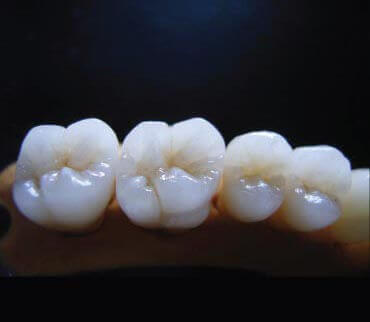
You must first comprehend the structure of a tooth in order to fully appreciate a root canal. The crown, which is the portion of your tooth that is visible, is covered in enamel, a hard outer layer. A strong, bone-like support layer called dentin is located beneath this enamel.The pulp chamber, the inner sanctuary, is located deep beneath these protecting barriers. The dental pulp is a network of soft tissues that contains connective tissues, blood vessels, and delicate nerves. A fully grown adult tooth can thrive without this pulp, even though it is crucial for feeding and growing teeth during childhood. When your teeth reach adulthood, the surrounding gum and bone structures provide them with all the daily nutrition they require.